edward
In the fast-paced and unpredictable world of forex trading, success is rarely a product of luck. It is the outcome of a well-structured trading plan, discipline, and precise risk management techniques that protect capital while allowing profits to grow steadily. The foreign exchange market, with its vast liquidity and global reach, presents countless opportunities for Forex Traders. However, it also carries significant risks that can quickly erode gains if not properly managed. Successful traders understand that managing risk is not about avoiding losses altogether—it’s about controlling them strategically so that returns can be maximized over the long term.
This article explores the essential techniques that seasoned forex traders employ to manage risk effectively while positioning themselves to achieve consistent profitability.
- The Foundation: Developing a Comprehensive Trading Plan
Every successful forex trader begins with a well-defined trading plan. This plan outlines the trader’s objectives, strategies, risk tolerance, preferred trading sessions, and exit rules. It acts as a blueprint for decision-making and helps maintain consistency under varying market conditions.
A strong trading plan typically includes:
- Specific entry and exit criteria based on technical or fundamental analysis
- Risk-to-reward ratios for each trade
- Guidelines for trade size relative to account equity
- Conditions for trade suspension during periods of extreme volatility
Having a plan reduces emotional decision-making, which is one of the biggest pitfalls in trading. Traders who rely solely on intuition or react impulsively to market fluctuations often suffer inconsistent results. Successful traders, by contrast, rely on their structured approach to guide them through market uncertainty.
- The Importance of Position Sizing
One of the most vital techniques in risk management is proper position sizing. It determines how much capital to risk on a single trade relative to total account size. Skilled traders rarely risk more than a small percentage of their account—typically between 1% and 3%—on any given position.
This approach ensures that even a series of losing trades will not deplete their capital entirely. Position sizing works hand in hand with stop-loss levels and helps traders stay in the game longer. Over time, this disciplined method builds resilience against drawdowns and protects long-term profitability.
- Using Stop-Loss and Take-Profit Orders Wisely
Stop-loss and take-profit orders are among the most practical tools for managing risk and locking in gains. A stop-loss automatically closes a position when the market moves against the trader beyond a predetermined level, thereby limiting potential losses. A take-profit order, on the other hand, ensures that profits are realized once a certain price level is reached.
The placement of these orders should not be random. Successful traders analyze historical price data, volatility levels, and technical indicators to determine logical points for exits. For example, they might place stop-losses below a significant support level or take-profit targets near resistance zones.
Importantly, seasoned traders resist the temptation to move stop-loss levels farther away when trades go against them. Doing so often leads to larger-than-expected losses. They also avoid closing winning trades too early out of fear. Patience and discipline in executing stop-loss and take-profit strategies are crucial to maintaining a favorable risk-to-reward ratio.
- Diversifying Trading Strategies and Currency Pairs
Relying on a single strategy or focusing on just one currency pair exposes traders to concentrated risks. Successful forex traders diversify by trading multiple pairs or by using different strategies that perform well in various market conditions.
For instance, a trader may combine trend-following strategies for strong directional markets with range-trading techniques during periods of low volatility. Diversification spreads risk and allows for more stable performance, even when certain strategies or pairs underperform.
However, diversification must be done intelligently. Overtrading—holding too many open positions simultaneously—can dilute focus and increase exposure unnecessarily. Traders who manage multiple trades effectively use correlation analysis to ensure that their positions are not overly influenced by the same economic or geopolitical factors.
- Mastering Technical and Fundamental Analysis
Risk management and return maximization are heavily influenced by a trader’s ability to interpret market signals accurately. Successful traders combine both technical and fundamental analysis to gain a comprehensive understanding of currency movements.
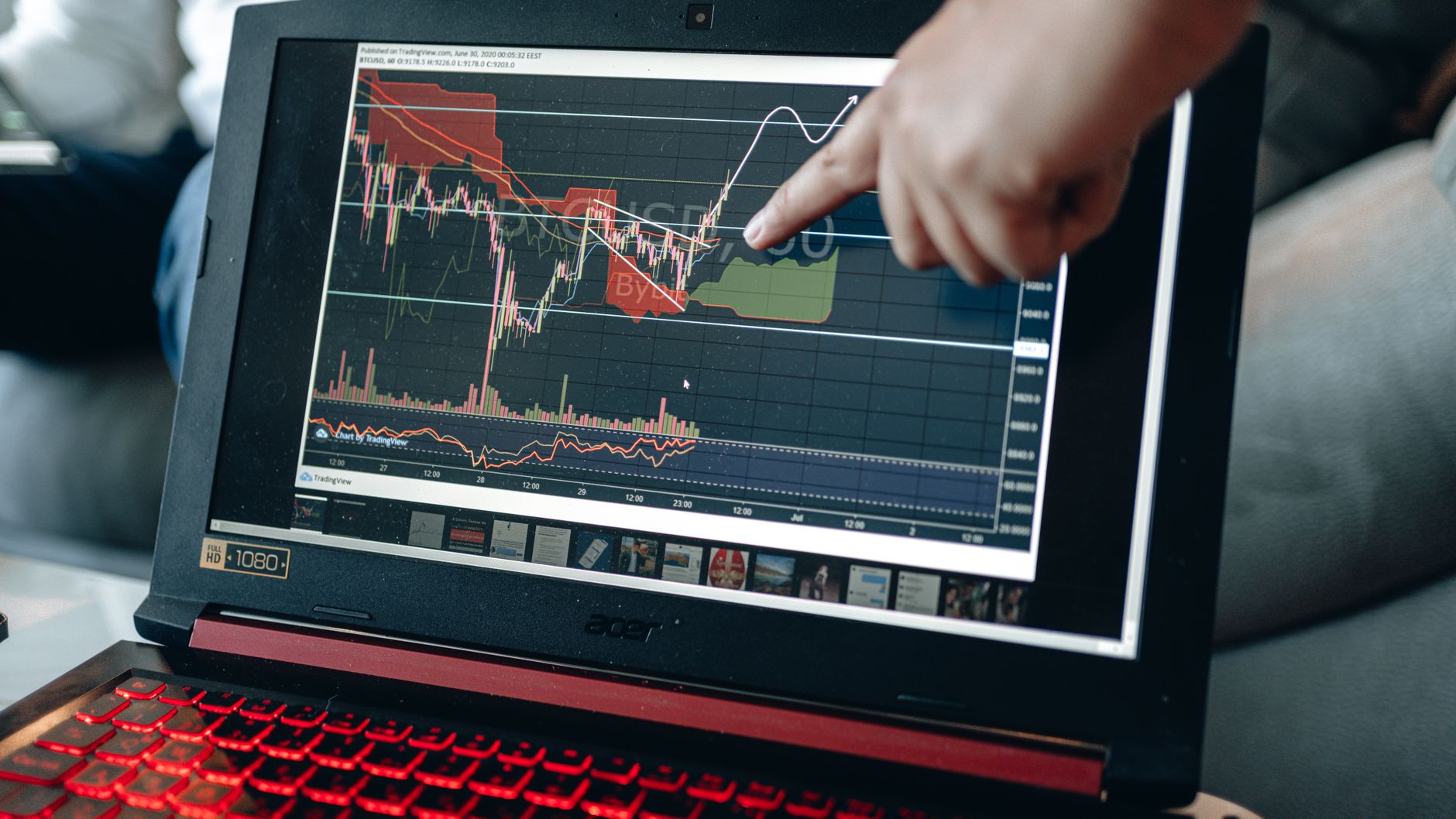
Technical analysis involves studying price charts, identifying trends, and applying indicators like moving averages, Relative Strength Index (RSI), and Fibonacci retracements. These tools help traders determine optimal entry and exit points and anticipate potential reversals.
Fundamental analysis, on the other hand, focuses on macroeconomic data, interest rate decisions, employment figures, and geopolitical developments. Understanding how these factors influence currency valuations allows traders to align their strategies with underlying market forces rather than reacting to short-term noise.
By blending both forms of analysis, traders gain a balanced view of the market, improving decision-making and reducing the risk of being caught off guard by unexpected shifts.
- Maintaining Emotional Discipline
Emotional control is a defining trait of successful forex traders. Fear and greed often lead to impulsive decisions that can derail even the most well-constructed strategies. Traders who allow emotions to dictate their actions—such as revenge trading after a loss or closing a trade prematurely due to fear—often experience erratic performance.
Experienced traders manage their emotions by following their trading plan strictly, keeping detailed trading journals, and maintaining realistic expectations. They understand that losses are part of the process and focus instead on the consistency of execution and adherence to their strategy.
Developing emotional discipline also involves setting boundaries, such as limiting trading activity after consecutive losses or taking breaks to reassess performance. Over time, this emotional maturity helps maintain objectivity and ensures long-term sustainability in trading.
- Utilizing Risk-to-Reward Ratios Effectively
The concept of risk-to-reward ratio is central to effective forex trading. It measures how much potential reward a trader can earn for every unit of risk taken. For example, if a trader risks 50 pips to gain 150 pips, the risk-to-reward ratio is 1:3.
Successful traders ensure that their trades consistently offer a positive risk-to-reward ratio. Even if they win only half of their trades, the gains from profitable positions can still outweigh the losses from unsuccessful ones. This mathematical advantage is a cornerstone of sustainable profitability.
They also reassess their ratios based on market conditions. During high-volatility periods, they might widen their targets, while in calmer markets, they may tighten them to secure smaller, consistent profits. The flexibility to adjust risk-to-reward parameters according to the environment is what distinguishes expert traders from amateurs.
- Keeping a Detailed Trading Journal
Maintaining a trading journal is a simple yet powerful technique for managing risk and improving performance. This record includes details such as entry and exit points, trade rationale, position sizes, outcomes, and emotional states during each trade.
By reviewing past trades, traders identify recurring mistakes, assess the effectiveness of their strategies, and make informed adjustments. A trading journal transforms subjective impressions into objective data, which is invaluable for continuous improvement.
Successful traders treat their journal as a learning tool rather than a record of wins and losses. They analyze patterns in behavior, strategy efficiency, and market responses to refine their approach over time.
- Adapting to Market Conditions
The forex market is dynamic, influenced by global economic cycles, political developments, and sudden news events. A strategy that works well in one environment might perform poorly in another. Skilled traders recognize this and adapt their approaches accordingly.
They continuously monitor changes in volatility, liquidity, and trend strength to adjust their strategies. For example, during major news releases, some traders may reduce exposure or avoid trading altogether to prevent unpredictable price swings. Flexibility and adaptability ensure that traders stay aligned with evolving market dynamics rather than sticking rigidly to outdated methods.
- Practicing Proper Money Management
Risk management extends beyond individual trades to the overall management of trading capital. Successful traders set clear limits on how much they can lose in a day, week, or month. If losses exceed these thresholds, they pause trading and reassess their strategies.
They also prioritize capital preservation over short-term gains. Protecting capital ensures that they can continue trading and seize future opportunities. This long-term perspective helps avoid the temptation of taking excessive risks to recover losses quickly.
Effective money management also involves periodically withdrawing profits to lock in gains and maintaining sufficient margin levels to avoid forced liquidations.
- Continuous Learning and Strategy Refinement
The forex market evolves constantly, with new technologies, analytical tools, and trading approaches emerging regularly. Successful traders maintain their edge by engaging in continuous learning. They study market trends, attend webinars, test new strategies on demo accounts, and analyze the performance of their existing systems.
This ongoing refinement process ensures that they stay ahead of changing market dynamics and technological advancements. Continuous education also reinforces confidence, helping traders remain disciplined and adaptable.
Conclusion
The art of managing risk and maximizing returns in forex trading lies in discipline, structure, and adaptability. Successful traders do not rely on luck or momentary market moves. Instead, they employ a comprehensive set of risk management techniques—from position sizing and stop-loss placement to emotional control and strategic diversification—to protect their capital and optimize returns.
Ultimately, consistency in execution and the ability to learn from both successes and setbacks are what separate seasoned traders from the rest. By adopting these techniques and maintaining a steady commitment to improvement, any trader can build a sustainable path toward long-term success in the global forex market.