edward
In today’s financial markets, contracts for difference (CFDs) have become a widely used instrument for traders seeking exposure to equities without owning the underlying shares. Among the most dynamic segments for CFD traders are consumer stocks in regional markets, where shifting demographics, evolving consumption patterns, and local economic policies all play influential roles. Understanding how traders approach CFDs on these consumer stocks requires a blend of market insight, disciplined strategy, and continuous learning.
This article explores the key considerations and tactical approaches that experienced traders use when engaging with CFDs on regional consumer equities. It is designed to provide clarity and a practical perspective, without leaning into promotional language, so that readers can better appreciate the nuances of trading in this space.
Understanding the Appeal of Regional Consumer Stocks
Consumer stocks represent companies that produce or sell goods and services directly used by households. These can range from food and beverage brands to retail chains, personal care products, and beyond. In regional markets, consumer stocks often reflect distinct cultural consumption habits, localised economic trends, and, in many cases, faster growth potential compared to more mature markets.
For traders, the appeal of regional consumer stocks lies in their ability to offer insights into real-time economic sentiment. Unlike sectors driven primarily by industrial output or complex technologies, consumer companies often show early signs of shifts in spending behaviour. For instance, a growing middle class in a regional economy may lead to increased demand for discretionary goods, which in turn may fuel stock performance.
CFDs are especially attractive for accessing this segment because they allow traders to take positions on price movements without the need for full capital outlays that come with owning physical shares. This leverage can amplify returns, though it also increases risk, underscoring the importance of strategic planning and risk management.
Conducting Fundamental Analysis in Regional Markets
A core component of successful CFD trading on consumer stocks is rigorous fundamental analysis. This involves evaluating a company’s financial health, its competitive position, and broader market trends that could influence performance.
Traders begin with financial statements, analysing revenue growth, profit margins, and debt levels. For consumer stocks, particular attention is often paid to trends in sales growth relative to peer companies, as well as indicators like same-store sales for retail businesses.
In some cases, traders may focus on specific stocks that serve as bellwethers for broader consumer sentiment. An example is a blue-chip regional consumer company with extensive market penetration and consistent earnings. One such company that often draws attention from traders is Savola, a diversified consumer goods and retail conglomerate rooted in the Middle East and North Africa. Exploring contracts for difference on shares like those of Savola can provide exposure to trends in food production, distribution, and retailing within the region.
Technical Analysis and Market Timing
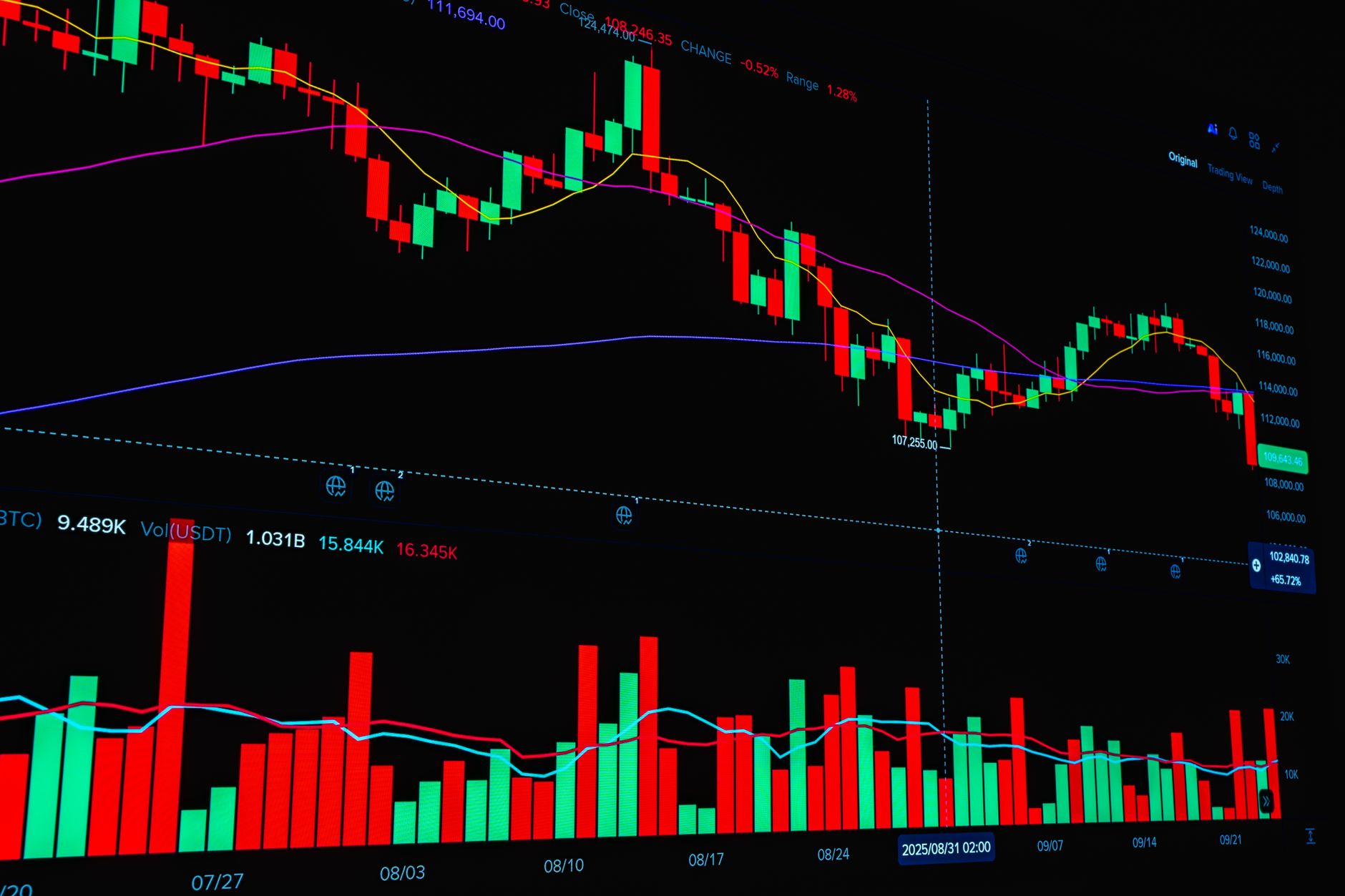
Alongside fundamentals, effective CFD trading often incorporates technical analysis to refine entry and exit points. Traders use price charts, trend lines, and indicators such as moving averages and relative strength index (RSI) to gauge momentum and potential reversals.
For regional consumer stocks, technical patterns may be influenced by both global market sentiment and localised events. Earnings announcements, regulatory changes, and geopolitical developments can all trigger volatility, making technical cues especially valuable for short-term CFD positions.
Seasonal patterns also feature prominently in consumer-focused trading. Certain consumer segments exhibit increased activity at specific times of the year. For instance, sales in the food and beverage sectors may spike around cultural holidays or agricultural cycles, while discretionary retail may see heightened movement during festive seasons. Recognising these patterns enables traders to position themselves strategically before anticipated surges or declines.
Managing Risk in CFD Trading
One of the primary tools for risk control is the stop-loss order. By setting a predetermined level at which a position will automatically close if the market moves against the trader’s view, stop losses help preserve capital and limit downside exposure.
Position sizing is another critical factor. Experienced traders typically avoid committing too large a portion of their trading capital to a single position. Instead, they allocate capital across a diversified set of trades to mitigate the impact of any one adverse movement.
In regional markets, liquidity can vary significantly across different consumer stocks. Less liquid markets can experience wider bid-ask spreads and greater price slippage, which may increase trading costs and risk. Traders must assess liquidity conditions and adjust order strategies accordingly, potentially using limit orders to control execution prices more precisely.
The Psychological Dimension of Trading
In addition to analytical skills, successful trading requires psychological discipline. Emotional reactions to market volatility can lead to impulsive decisions that undermine long-term performance. Traders develop mental frameworks to stay focused on their trading plans, avoiding overreaction to short-term noise.
Cultivating patience is equally important. While CFDs enable rapid entry and exit from positions, not all opportunities materialise immediately. Waiting for confirmation of a trend or additional supporting data can improve the probability of favourable outcomes.
Conclusion
Trading CFDs on regional consumer stocks offers a compelling way to engage with dynamic segments of the equity market. By blending thorough fundamental research, thoughtful technical analysis, disciplined risk management, and a steady psychological approach, traders can navigate these markets with greater confidence.
Understanding the unique characteristics of regional consumer companies and the economic forces that shape them is central to this effort. Whether evaluating earnings reports, tracking seasonal trends, or monitoring regulatory changes, informed decision-making remains at the heart of effective CFD trading.