

 edward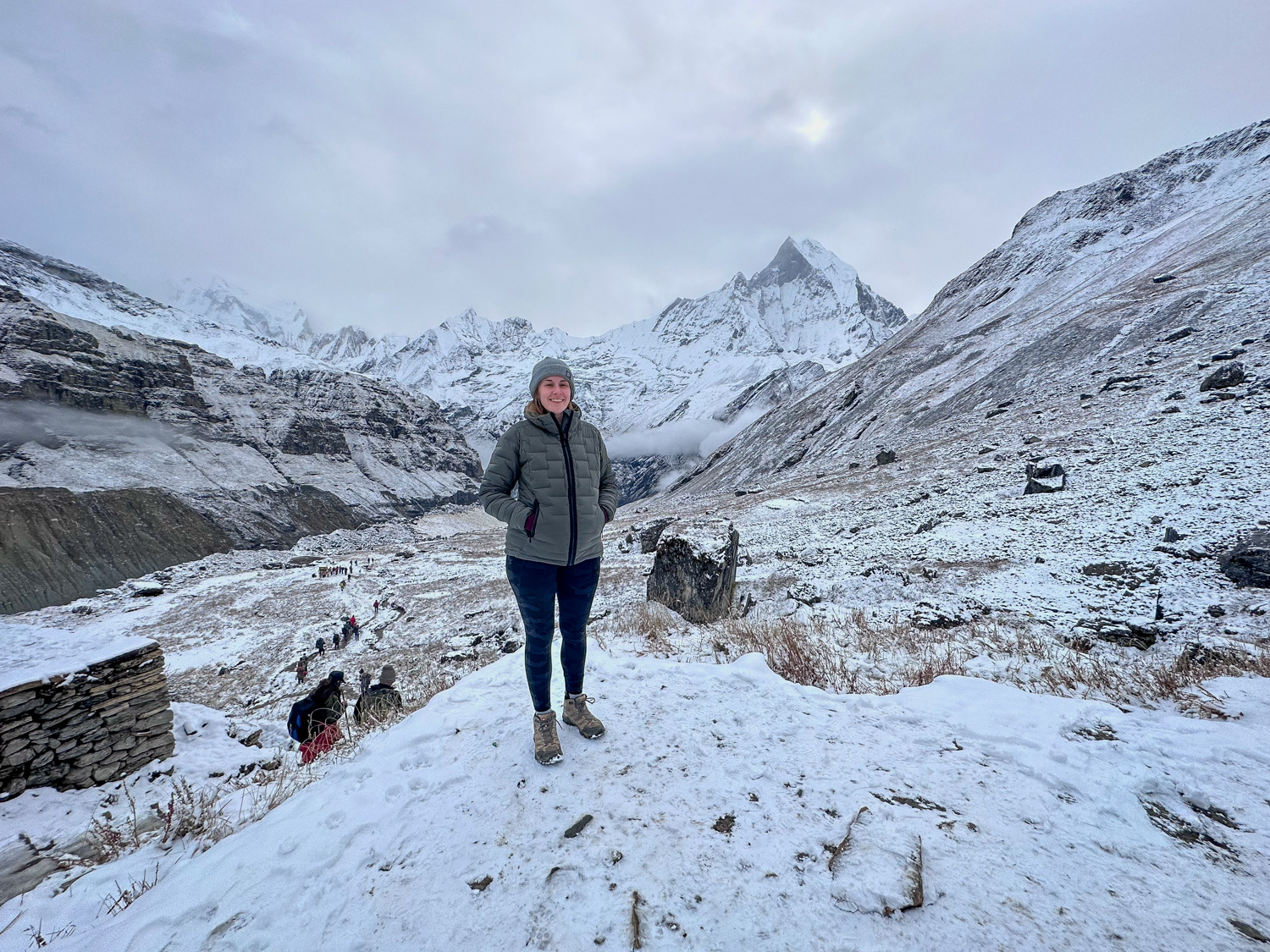
Annapurna Base Camp Trek – The ABC trek The ABC Trek or the Annapurna Base Camp Trek is one of the most rewarding treks all as one can witness the great charm of the mountains, whose plumes are the silver gray pointed peaks. Located in the Annapurna massif, this trek provides trekkers with stunning views of some of the world’s highest mountains, along with an opportunity to step into the Himalayan culture and scenery. But one barely extra difficult venture you face is becoming a victim of altitude illness.
When you are covered in a trek that takes you to an altitude of more than 4000 meters on the Annapurna Base Camp Trek, your body is likewise adjusting to thinner air, much less oxygen, and colder temperatures. Altitude sickness knows no master — many a seasoned, fit trekker has suddenly found herself sick, and the blessing of prevention is the best prevention.
This ultimate guide shares 5 essential tips for preventing altitude sickness on the Annapurna Base Camp Trek, so you stay safe and comfortable while enjoying this incredible trek through the Annapurna Sanctuary.
Climb Slowly, Acclimatize, and Take Acclimatization Days
The golden rule for hiking at high altitude, together with Annapurna: hike excessively, sleep low. Altitude sickness is usually brought about using a speedy ascent to excessive altitude, when your body does no longer have enough time to adjust to lower levels of oxygen.
The trek to Annapurna Base Camp is a smooth uphill climb and take it at your tempo. As an example, after you’ve covered 3000 meters (more or less nine 800 feet), professionals suggest that you not boost your altitude with the aid of more than three hundred to 500 meters a day. And that means pacing yourself if it’s time to head out on the trail.
Acclimatization days — full rest days at particular elevations — are crucial. As an example, if you take an extra day to rest in cities along with Chhomrong or Bamboo, your frame has a chance to acclimatize to the altitudes earlier than moving to better elevations. Relaxation and hydation – Don’t push yourself too tough, make sure you get your sleep, maintain hydrated, and eat.
Acclimatization is no longer just a recommendation; it’s a matter of life and death. When you ascend slowly, your body gets a chance to produce more red blood cells so that oxygen can be carried more easily. This method of acclimatisation additionally efficiently reduces the possibility of being affected by the maximum general form of altitude illness, Acute Mountain Sickness (AMS).
Without acclimatization, you could even get a headache, sense unwell, dizzy, or tired. Symptoms that are left untreated can cause life-threatening high Altitude Pulmonary Edema (HAPE) or excessive Altitude Cerebral Edema (HACE) situations.
Hydrate and Get Your vitamins in.
Dehydration is one of the most common reasons we’re greater prone to altitude sickness. Inside the Himalaya, the air could be very dry, especially above 3’000m, and one’s body hastily loses fluid through elevated respiration and sweating. That’s why it is so critical to stay hydrated.
Just in the context of the trek and about the amount, we can say that trekkers need to consume at least 3-4 liters of water per day, but even more during the hotter weather, and in case you are trekking hard. Carry a way to purify water (tablets, filter, UV purifier) to purify natural water sources if necessary.
And other than water, drinking warm herbal teas, like ginger or lemongrass tea — the kind you can get at teahouses on the ABC Trek — can soothe your stomach and assist with hydration. Do not drink alcohol or too much caffeine, which are diuretics and might make you more dehydrated and consequently sleep worse, therefore even more altitude sick.
Nutrition is similarly crucial. Nepal’s staple dish of dal bhat — lentils, rice, greens, and on occasion meat — affords a great mix of carbohydrates, protein, and fat to electricity you long when you’ve sat down to devour. Snacking as a substitute for getting large meals can help maintain your energy levels and help digestion at altitude.
Apprehend and deal with symptoms early
Understanding the signs and symptoms and symptoms of altitude illness can be the difference between a moderate and non-life-threatening case and a life-threatening emergency. Signs of mild Acute Mountain illness can embody headache, nausea, tiredness, dizziness, and lack of urge for food for food. Symptoms such as sleep abnormalities and dyspnea may also be present.
The idea is not to dismiss these and hope they go away on their own. In case you feel unwell, don’t persevere on climbing, and relax. Maximum moderate instances improve with relaxation, hydration, and the passage of time.
If the signs and symptoms don’t get better, get worse (you have hassle walking, are harassed, have intense shortness of breath, or if you have swelling for your fingers, feet, or face), this can be a case of high Altitude Pulmonary Edema (HAPE) or excessive Altitude Cerebral Edema (HACE) and would require a rapid retreat to decrease altitudes and top medical help.
A Small Pulse OximeterPacking around a portable pulse oximeter can be useful as a monitoring device for testing your blood oxygen levels, and to indicate whether your body is coping with the altitude, or not too good.
Smart Drug Use — With Help
Medications may relieve altitude sickness, but are not a substitute for acclimatization. Acetazolamide (Diamox) is the usual prescription for preventing or treating symptoms, Dr. Fonarow adds. It does so by way of assisting your frame to conform more unexpectedly;) Through rushing up your respiration and controlling blood PH.
Consult a physician skilled in high altitude remedy earlier than your trek for advice on whether or not acetazolamide is a match for you. The usual timetable is to begin an afternoon earlier than the climb and to stay for some days as you climb better.
And remember that acetazolamide has potential side effects of tingling in your hands or feet, more frequent urination, or a change in taste. Some people should avoid Arthotec, such as those with a history of an allergy to sulfa drugs.
Other drugs, e.g., ibuprofen, can relieve the headache but do not prevent AMS. Please take a good, solid first aid pack with yo u, containing altitude sickness medicine, which is going to be one of the essentials for the Annapurna Base Camp Trek.
Rest and Don’t Overdo It
Your body needs to rest to get used to the high altitude. One big mistake is that trekkers overextend themselves to get to base camp. The body demands more oxygen the more stress it’s under, and physical stress means that the body’s reserves of oxygen are depleted faster, and AMS symptoms become more intense.
Plan reasonable hiking hours, 5 to 7 hours per day, including resting time. Start very early in the morning to avoid the heat of the day, and to also walk at a good pace.
And sleep is key, especially when you are also at a high altitude and there’s less air, and you can freeze while you’re at it. An insomnia—or a rough night—ahead of an ascent can weaken your immune system and impair your ability to fight off altitude sickness. “Get good sleep.” This consists of sporting numerous layers of garb, the usage of a heat-napping bag, and fending off stimulants (inclusive of caffeine) close to bedtime.
Begin with your body. Even as you experience worn out, dizzy, or ill, don’t push yourself. An afternoon of rest can help save you from moderate symptoms becoming more serious fitness issues.
Bonus Tip: Educate/put together earlier than you cross
Being in form doesn’t protect you from altitude sickness; however, it does make the walk less complicated and your frame stronger. Cardio exercising, which incorporates walking, biking, swimming, and hiking with a heavy knapsack, improves lung power and the potential to go
Start your training no less than 6-eight weeks before your arrival. If you’re able, also incorporate some stair climbing or hiking on uneven terrain to mimic the conditions of trekking.
or those of you who believe, you will be rewarded with feeling fresh, great in using oxygen, and, optimally, enjoying this biking experience of Annapurna Base Camp.
Final Thoughts
Altitude sickness isn’t just an actual opportunity on the Annapurna Base Camp Trek: it is an ailment you could best prepare for, and your body’s boundaries can be respected. Hike high, sleep low, hydrate well, listen to your body and take medication responsibly, and get plenty of rest — these are the principles of safe trekking in the Himalayas.
Trekking in Nepal is achievable, and the mountain views are outstanding. Following these precautions will let you have a Caring, Confident, and wonderful trek to Annapurna Base Camp.
If you want a personalized acclimatization schedule, an ultimate ABC trek packing list even more about how to tackle the ABC trek, then don’t be shy, please ask me, I am here to help you get ready to conquer your adventure of a lifetime.