edward
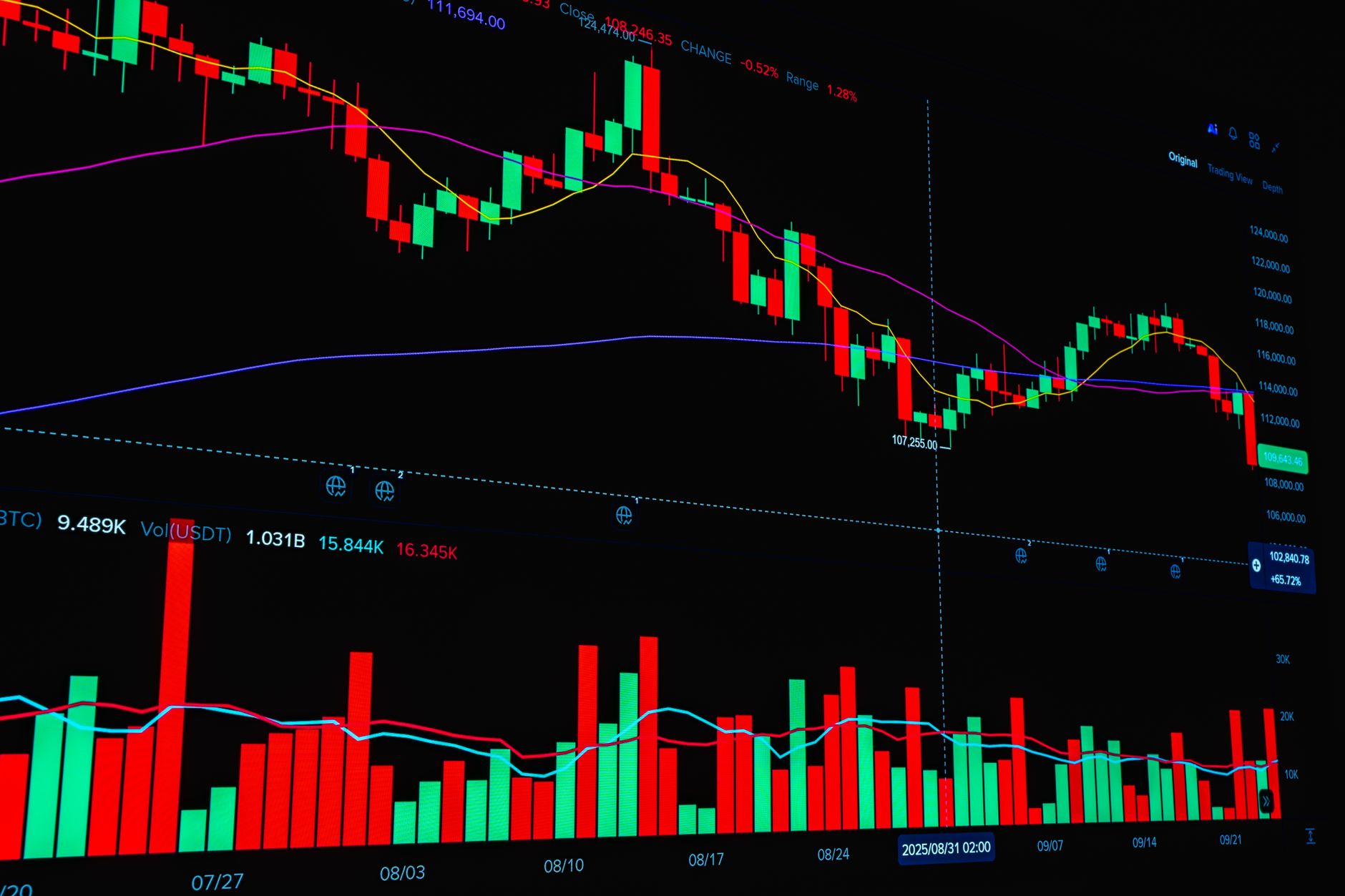
US tech stocks fall dramatically, witnessing the steepest decline in three months. This significant drop has wiped out over $850 billion in market value, raising concerns among investors.
Market Overview of Tech Stocks
In a significant downturn, US tech stocks fall sharply, resulting in the worst drop seen in the past three months. Investors have reacted to various economic signals, leading to a loss of approximately $850 billion in market value across major technology companies.
The decline has raised concerns about the sustainability of the tech industry’s growth, which has been a driving force behind the overall stock market in recent years. Analysts attribute this fall to several factors, including:
- Rising interest rates: The Federal Reserve’s recent announcements about potential rate hikes have created uncertainty in the market.
- Supply chain disruptions: Ongoing issues with supply chains continue to impact production and delivery timelines for major tech products.
- Regulatory scrutiny: Increased focus from regulators on big tech companies has added to the apprehension among investors.
- Market corrections: After a period of substantial gains, some analysts believe it is natural for the market to recalibrate.
With these challenges in mind, many investors are now questioning the long-term trajectory of tech stocks. As the market adjusts, experts suggest a cautious approach moving forward, advising investors to closely monitor both economic indicators and industry developments.
Factors Behind the Decline
The recent decline in US tech stocks can be attributed to several interconnected factors that have rattled investor confidence. Analysts point to the following key reasons behind the downturn:
- Interest Rate Hikes: The Federal Reserve’s ongoing commitment to raising interest rates to combat inflation has led to higher borrowing costs, impacting the tech sector, which relies heavily on financing for growth.
- Profit Warnings: Several major tech companies have issued profit warnings, indicating that earnings may not meet investors’ expectations for the upcoming quarters. This has heightened concerns about the overall health of the sector.
- Geopolitical Tensions: Rising geopolitical tensions, particularly regarding trade relations and potential supply chain disruptions, have contributed to market uncertainty. Investors are wary of how these issues may affect global tech operations.
- Valuation Concerns: Tech stocks have seen significant growth over the past few years, leading to inflated valuations. As market conditions shift, many investors are reassessing their positions and taking profits, resulting in a sell-off.
- Market Sentiment: A general decline in market sentiment, fueled by economic indicators pointing to a potential slowdown, has also prompted a retreat from high-risk investments like tech stocks.
As these factors converge, the US tech stocks fall has intensified, marking the worst drop in three months and prompting a reevaluation of investment strategies across the sector.
Impact on Investors
The recent decline in US tech stocks has sent shockwaves through the investment community, leaving many investors reevaluating their strategies. The fall in tech stocks represents the worst drop in three months, and the implications are significant for both individual and institutional investors.
Many analysts believe that the market’s reaction reflects growing concerns about economic stability and interest rate hikes, which have historically affected technology valuations. As a result, investors are increasingly cautious, leading to a wave of sell-offs that have exacerbated the situation.
In light of this downturn, investors are advised to consider the following:
- Diversification: Spreading investments across different sectors may help mitigate risks associated with tech stock volatility.
- Long-term Perspective: Investors with a long-term horizon may choose to hold their positions, betting on a recovery in the tech sector.
- Monitoring Market Trends: Staying informed about economic indicators and industry developments is crucial for making educated investment decisions.
While the current environment poses challenges, it also presents opportunities for those willing to navigate the ebbs and flows of the market. The significant loss in market capitalization serves as a reminder of the inherent risks associated with investing in the tech sector.
Future Outlook for Tech Sector
As analysts assess the recent downturn, the future outlook for the tech sector remains uncertain. The fall of US tech stocks marks a significant shift in market sentiment, leaving investors to contemplate the implications of this steep decline.
Market watchers note several factors that could influence the recovery of tech stocks in the coming months:
- Interest Rates: The Federal Reserve’s monetary policy decisions may continue to affect tech valuations, especially as higher rates can limit borrowing and spending.
- Consumer Demand: A potential slowdown in consumer spending could impact revenue growth for tech companies, particularly those reliant on discretionary spending.
- Innovation and Adaptation: Companies that can pivot and adapt to changing market conditions may emerge stronger. Tech firms focusing on AI, cloud computing, and cybersecurity might see resilience despite broader market volatility.
- Global Economic Conditions: Geopolitical tensions and economic slowdowns in key markets could further influence US tech stocks and their overall performance.
While the current environment poses challenges, some experts argue that this could also present opportunities for savvy investors. Those who are willing to navigate the volatility may find that certain tech stocks are undervalued, setting the stage for potential rebounds in the future.
Comparative Analysis with Previous Declines
The recent downturn in US tech stocks marks a significant moment in the market, reflecting a pattern of volatility experienced over the past few months. Notably, this decline is the worst in three months, echoing previous episodes of market instability. A comparative analysis with earlier declines reveals several striking similarities and differences.
In April, a substantial drop was attributed to rising interest rates and inflation fears, causing investors to reassess their positions in technology companies. This time, while similar economic concerns persist, the drop has been exacerbated by unexpected earnings reports that fell short of market expectations. In both instances, investor sentiment has taken a hit, leading to widespread sell-offs.
Furthermore, the decline in US tech stocks has led to a reassessment of the sector’s overall valuation. A comparison with last year shows that despite periodic downturns, tech stocks had largely maintained an upward trajectory. However, the current fall raises questions about sustainability in the face of ongoing economic challenges.
Historically, tech stocks have shown resilience after significant dips, often bouncing back stronger. Investors are now left to ponder whether this latest decline is a temporary setback or indicative of a more profound shift in market dynamics. The importance of monitoring these fluctuations cannot be overstated, as they play a crucial role in shaping future investment strategies.
Investors are reacting to rising interest rates, causing US tech stocks fall to levels not seen in months. Analysts warn that this trend may continue if economic uncertainties persist, leading to further declines in US tech stocks fall.
Photo by AlphaTradeZone on Pexels