edward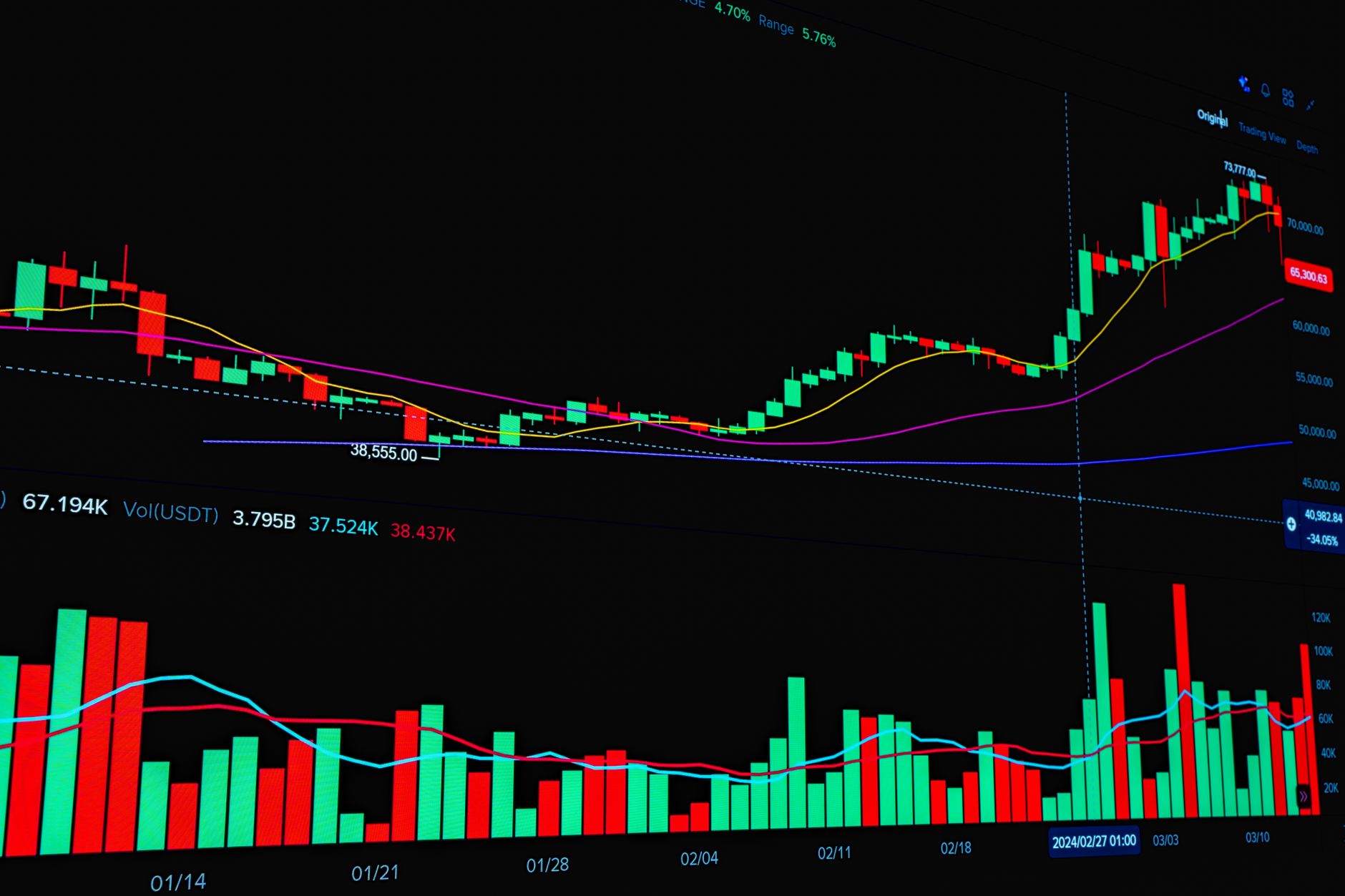
The stock market fall has raised concerns among investors as banks and hospital stocks dragged the Sensex and Nifty lower. This decline has significant implications for the overall market health.
Understanding the Stock Market Fall
The recent stock market fall has raised concerns among investors and analysts alike. Understanding the reasons behind this decline is crucial for making informed decisions moving forward.
Several factors have contributed to the downturn:
- Banking Sector Struggles: Major banks have reported lower earnings, prompting fears of a potential financial slowdown.
- Healthcare Sector Pressures: Stocks in the hospital sector have been negatively impacted by rising operational costs and regulatory changes.
- Global Economic Concerns: Uncertainties in international markets, including inflation rates and geopolitical tensions, have also played a significant role.
- Investor Sentiment: A general sense of pessimism among investors has led to increased selling pressures, further exacerbating the stock market fall.
As market dynamics continue to evolve, staying informed about these underlying issues will be essential for navigating the uncertain financial landscape.
Factors Contributing to the Decline
The recent stock market fall can be attributed to several interconnected factors that have shaken investor confidence and led to a widespread sell-off.
One of the primary reasons is the performance of major sectors, particularly:
- Banks: Concerns over rising interest rates and potential loan defaults have placed pressure on banking stocks, significantly impacting indices.
- Healthcare: Hospital stocks have also faced challenges, largely due to regulatory changes and rising operational costs, causing a ripple effect in the market.
- Global Economic Conditions: Ongoing geopolitical tensions and inflation fears have contributed to uncertainty, prompting investors to reevaluate their strategies.
Additionally, investor sentiment has shifted as many are opting for safer assets, further fueling the stock market fall. This combination of sector-specific issues and broader economic concerns has created a challenging environment for traders and investors alike.
Impact on Investors
The recent stock market fall has left many investors grappling with uncertainty and concern over their portfolios. As major indices like the Sensex and Nifty experienced significant declines, the impact on both retail and institutional investors has been profound.
Many investors are now facing tough decisions regarding their investments. The prevailing sentiment is one of caution, with numerous individuals reconsidering their exposure to equities. Some have chosen to liquidate assets, fearing further declines, while others are adopting a wait-and-see approach.
Additionally, the psychological effect of the market downturn cannot be understated. Investors who have witnessed consistent gains over the years are now feeling the sting of losses. This has led to increased volatility as panic selling becomes more prevalent.
Experts advise that during such turbulent times, it is essential for investors to maintain a long-term perspective. They suggest focusing on fundamentals and avoiding knee-jerk reactions to short-term market movements.
In conclusion, the stock market fall has created a challenging environment, urging investors to reassess their strategies and risk tolerance.
Analysis of Bank Stocks
The recent stock market fall has been significantly influenced by the performance of bank stocks, which have seen a considerable decline. Several factors have contributed to this downturn, raising concerns among investors.
- Rising Interest Rates: Increased interest rates have pressured banks’ profit margins, leading to reduced earnings forecasts.
- Loan Default Risks: Economic uncertainty has heightened fears of loan defaults, prompting investors to reassess the stability of bank stocks.
- Regulatory Concerns: Stricter regulations aimed at ensuring financial stability have further complicated the outlook for banking institutions.
- Poor Earnings Reports: Several major banks have reported disappointing earnings, which has led to a wave of sell-offs in the sector.
As a result, the combination of these elements has not only dragged down bank stocks but has also fueled the overall stock market fall, creating a ripple effect across various sectors. Investors are advised to remain vigilant as these trends continue to evolve.
Hospital Stocks Under Pressure
The recent stock market fall has significantly impacted various sectors, with hospital stocks experiencing notable pressure. Investors are concerned about the shifting dynamics in healthcare, particularly due to rising operational costs and regulatory challenges.
Several factors are contributing to this downturn in hospital stocks:
- Increased Costs: Hospitals are facing heightened expenses related to staffing and medical supplies, which are affecting profit margins.
- Policy Changes: Recent legislative moves aimed at reducing healthcare costs have investors worried about potential revenue impacts.
- Market Sentiment: The overall negative sentiment in the stock market has led to a sell-off, further compounding the issues for hospital stocks.
- Competition: Intensifying competition among healthcare providers is putting additional pressure on pricing and service delivery.
This combination of factors has led to a decline in investor confidence, causing hospital stocks to struggle amid the broader market challenges.
Future Outlook for the Market
As the stock market fall continues to raise concerns among investors, analysts are closely monitoring potential recovery indicators. While the recent decline has shaken investor confidence, there are signs that the market may stabilize in the coming months.
Experts suggest that the Federal Reserve’s upcoming decisions on interest rates will play a crucial role in shaping market sentiment. A pause in rate hikes could foster a more favorable environment for stocks, especially in sectors hit hard by the downturn.
Additionally, corporate earnings reports scheduled for release will provide further insight into the health of various industries, potentially reassuring investors. If companies demonstrate resilience despite the current challenges, it may help restore faith in the market.
On a broader scale, economic indicators such as unemployment rates and consumer spending will also influence future market trends. A rebound in these areas could signal a recovery, providing much-needed optimism in the face of the stock market fall.
In summary, while uncertainty remains, proactive measures and positive economic developments may pave the way for a more stable market environment.
Photo by Rafael Minguet Delgado on Pexels