edward
RBA interest rate hike is widely anticipated as the central bank aims to combat persistent inflation. Analysts predict a 25 basis point increase to 4.60%, raising concerns about economic stability.
Understanding the RBA’s Decision
The Reserve Bank of Australia (RBA) is set to make a critical decision regarding interest rates amid ongoing concerns about inflation. The anticipated RBA interest rate hike to 4.60% has been widely discussed as a necessary measure to combat persistent inflationary pressures affecting the economy.
Analysts suggest that the RBA’s choice to increase rates is influenced by several key factors:
- Inflation Trends: Inflation has remained stubbornly high, prompting the RBA to take action to stabilize prices.
- Economic Growth: While growth levels are moderate, there is a consensus that controlling inflation is paramount for sustainable economic health.
- Consumer Behavior: Rising costs have started to impact consumer spending, which in turn affects overall economic activity.
As the RBA prepares for this potential interest rate hike, many are left wondering how it will influence borrowing costs and the broader economic landscape, particularly if inflation continues its upward trajectory.
Impact of Inflation on Rates
The recent RBA interest rate hike has raised concerns about the ongoing impact of inflation on the economy. As inflation continues to persist, the Reserve Bank of Australia (RBA) faces the challenge of balancing economic growth with rising costs. This dynamic often leads to increased interest rates, which can have significant implications for consumers and businesses alike.
Inflation affects rates through several channels:
- Consumer Spending: Higher inflation can erode purchasing power, leading to reduced consumer spending. This, in turn, can prompt the RBA to adjust rates to stimulate the economy.
- Borrowing Costs: Increased interest rates raise borrowing costs for individuals and businesses, potentially slowing down investment and economic activity.
- Market Expectations: Persistent inflation may lead market participants to expect further RBA interest rate hikes, influencing financial decisions and market behavior.
As the RBA navigates these complexities, the worst-case scenario for inflation could mean more aggressive rate adjustments in the future, affecting everyone from homeowners to small business owners.
What to Expect from the RBA
As the Reserve Bank of Australia (RBA) prepares for its upcoming meeting, experts predict that a RBA interest rate hike is imminent, with a widely anticipated increase of 25 basis points to 4.60%. This decision comes in response to persistent inflation, which has proven to be more resilient than previously expected.
Market analysts believe that the RBA will continue to take a cautious approach, aiming to strike a balance between controlling inflation and supporting economic growth. Key factors influencing their decision include:
- Consumer Spending: Ongoing trends in consumer behavior could signal the need for further rate adjustments.
- Employment Rates: The strength of the job market plays a critical role in the RBA’s considerations.
- Global Economic Conditions: External factors may also impact local inflation and interest rate policies.
As the central bank navigates these complex issues, the potential for further interest rate hikes looms, making it essential for homeowners and businesses to prepare for changing financial landscapes.
Market Reactions to Rate Changes
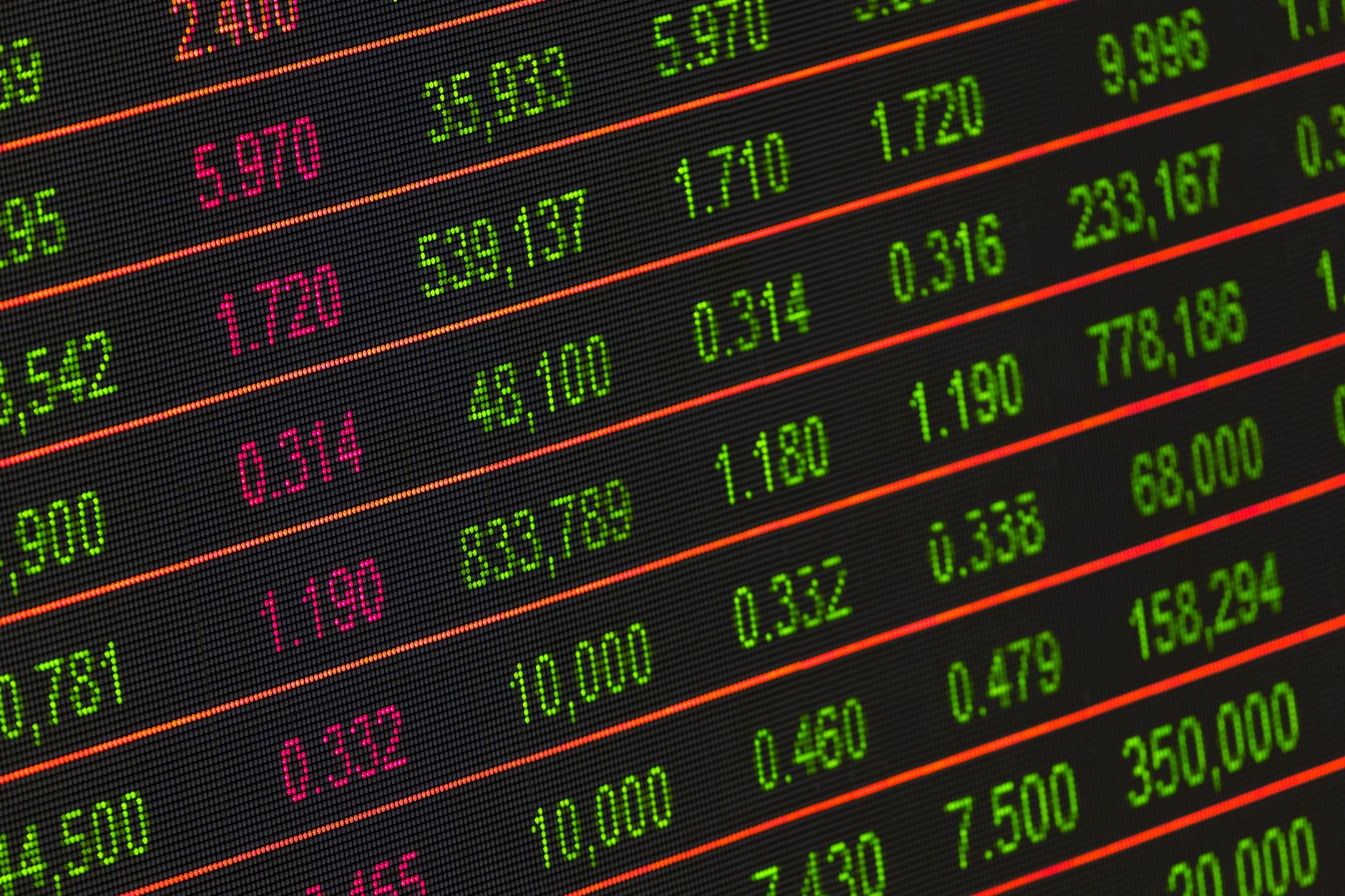
Market reactions to the recent RBA interest rate hike have been swift and significant, reflecting trader concerns over persistent inflation. Analysts observed a notable volatility in the stock market, as investors adjust their portfolios in anticipation of further tightening measures. The expectation of a 25 basis point increase to 4.60% has led to a cautious sentiment among consumers and businesses alike.
In the wake of the announcement, several key sectors showed mixed performance:
- Financial Services: Banks rallied, benefiting from higher interest margins.
- Retail: Consumer stocks faced pressure as spending is expected to slow.
- Real Estate: Property markets reacted negatively, fearing higher borrowing costs.
Moreover, the bond market mirrored these sentiments, with yields rising as investors reassess their risk appetite. As the RBA interest rate hike takes effect, the broader economic implications will become clearer, particularly in how they influence consumer confidence and spending trends going forward.
Future Economic Outlook
The future economic outlook remains uncertain as the RBA interest rate hike is anticipated to pose significant challenges for consumers and businesses alike. Economists suggest that if inflation remains persistent, further increases in the cash rate could be on the horizon. This scenario raises concerns about the potential for a slowdown in economic growth.
Several key factors will influence the trajectory of the economy:
- Consumer Spending: With higher interest rates, borrowing costs will increase, which may lead to reduced consumer spending.
- Business Investment: Firms could become hesitant to invest in new projects, fearing a downturn in demand.
- Housing Market: The real estate sector might face pressure as mortgage repayments rise, potentially leading to a decrease in property values.
As the RBA navigates these challenges, the worst-case scenario for inflation could exacerbate economic strain, prompting further rate hikes and impacting the financial stability of many households.
The RBA interest rate hike could lead to a significant slowdown in consumer spending, exacerbating the inflation crisis. As businesses adjust to the RBA interest rate hike, many may struggle to maintain their profit margins, ultimately impacting prices further.