
 edward
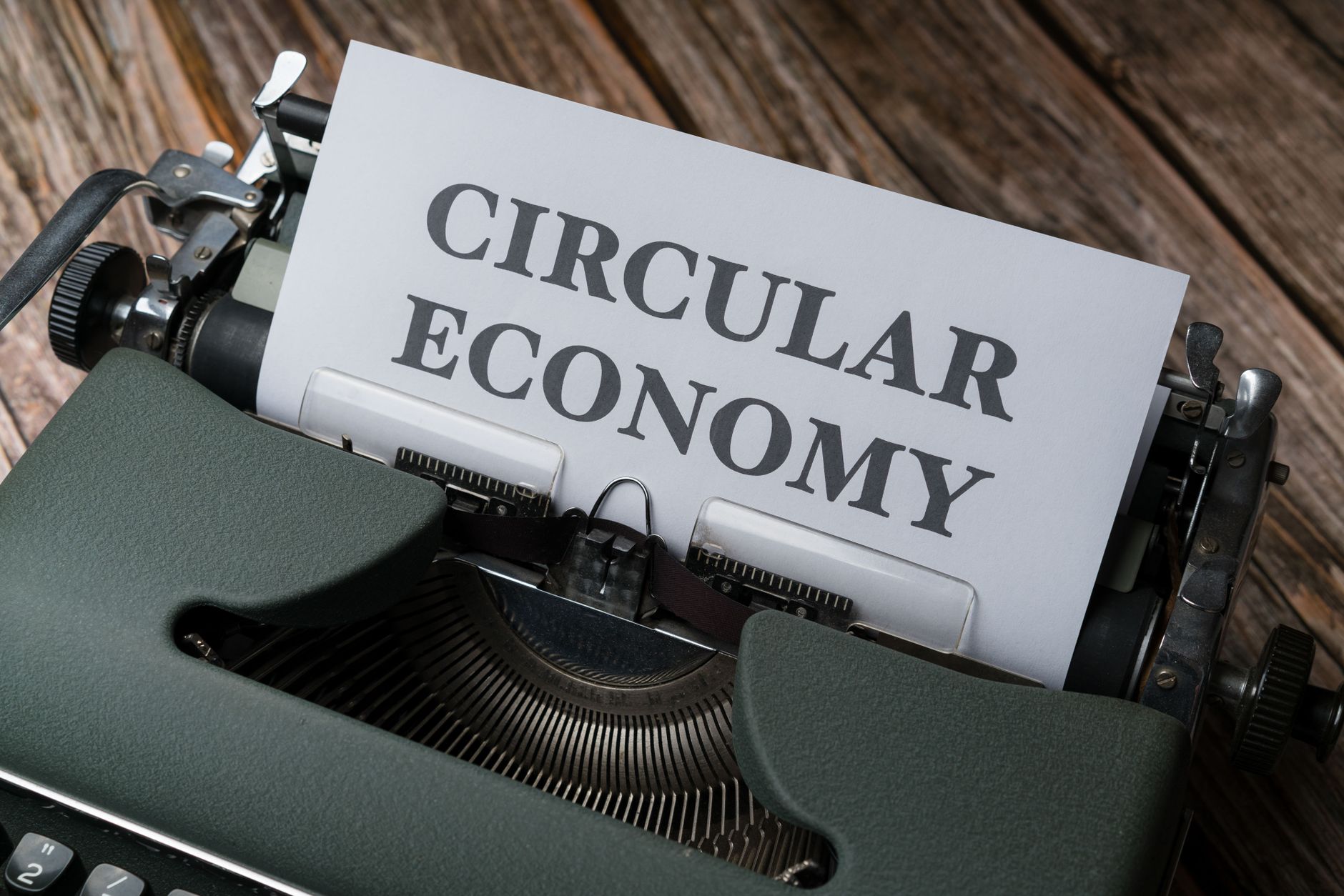
B2B Circular Economy is gaining traction among startups in India. Recove Ventures recently raised Rs 56.25 Cr, showcasing the potential in this sustainable sector.
What is the B2B Circular Economy?
The B2B circular economy refers to a model that emphasizes sustainability and waste reduction within business-to-business transactions. This approach seeks to create a closed-loop system where resources are continually repurposed and reused instead of being discarded. In such a framework, companies collaborate to maximize the lifecycle of materials, thereby minimizing environmental impact and fostering economic efficiency.
Key characteristics of the B2B circular economy include:
- Resource Optimization: Businesses aim to utilize resources more efficiently, reducing waste and lowering costs.
- Collaboration: Companies partner with each other to share resources, technology, and knowledge, leading to innovative solutions.
- Product Life Extension: By designing products for durability and easy repair, businesses can keep items in use longer, decreasing the need for new raw materials.
- Recycling and Upcycling: Firms focus on recycling materials and finding new uses for products that have reached the end of their initial lifecycle.
As startups increasingly embrace the B2B circular economy, they not only contribute to a more sustainable future but also position themselves for long-term profitability. This strategic approach not only benefits the environment but also enhances brand reputation, appealing to eco-conscious consumers and partners alike.
Recove Ventures’ Recent Funding Success
In a notable development for the B2B circular economy, Recove Ventures has successfully raised Rs 56.25 crore in its latest funding round. This achievement highlights the growing interest and investment in sustainable business models that prioritize resource efficiency and waste reduction.
Recove Ventures, focused on promoting circular practices among businesses, aims to create a significant impact in the sector by facilitating the reuse and recycling of materials. The funds will be allocated towards enhancing their technology platform, expanding their operational capabilities, and increasing market reach. This strategic move is set to position Recove as a leader in the circular economy space, particularly for B2B operations.
Investors have shown enthusiasm towards Recove Ventures, recognizing the potential for significant returns in a market increasingly leaning towards sustainability. The funding round attracted a mix of venture capital firms and angel investors who are keen to support startups that align with the principles of the B2B circular economy.
As businesses face mounting pressure to adopt sustainable practices, Recove Ventures stands out as a prime example of how innovative solutions can drive economic growth while reducing environmental impact. The successful funding round is a testament to the viability of the B2B circular economy as a profitable strategy for startups striving for success in today’s competitive landscape.
How Circular Economy Impacts Startups
The B2B Circular Economy is increasingly becoming a pivotal strategy for startups, reshaping how they approach sustainability and resource management. By embracing circular principles, startups can not only reduce waste but also create new revenue streams and foster innovation.
One of the key impacts of the circular economy on startups is its ability to enhance brand loyalty. Consumers today are more conscious of environmental issues, and businesses that adopt sustainable practices often attract a dedicated customer base. This can lead to increased sales and a stronger market position.
Furthermore, startups that integrate circular economy practices tend to experience cost savings through more efficient use of resources. By reusing materials and optimizing supply chains, these businesses can lower operational costs and improve profit margins.
Investment opportunities also multiply within the circular economy framework. As demonstrated by Recove Ventures’ recent funding success, investors are keen to support businesses that prioritize sustainability and innovation. This trend opens doors for startups looking to secure capital and expand their operations.
In summary, the B2B Circular Economy not only provides a roadmap for sustainable practices but also positions startups for success in a competitive marketplace. By harnessing the principles of the circular economy, emerging businesses can thrive while contributing positively to the environment.
Challenges in the B2B Circular Economy
The B2B Circular Economy presents a promising avenue for startups, but it is not without its challenges. As companies strive to adopt sustainable practices, they often face significant hurdles that can hinder their progress.
- Complex Supply Chains: Navigating supply chains in a circular economy can be intricate. Startups must establish new partnerships and ensure that materials are reused or recycled effectively, which may require a shift in traditional practices.
- High Initial Costs: Implementing circular economy strategies often demands substantial upfront investment. Startups might struggle to secure funding for the necessary technology and infrastructure to support these initiatives.
- Regulatory Barriers: The regulatory landscape surrounding waste management and recycling can be complex. Startups need to stay informed about local and international regulations, which can vary significantly and impact their operations.
- Consumer Awareness: Many businesses face the challenge of educating consumers about the benefits of a circular economy. Building a customer base that values sustainability can take time and effort.
- Measuring Impact: Evaluating the effectiveness of circular practices can be difficult. Startups must develop metrics to measure success and communicate these results to stakeholders.
Despite these challenges, embracing the B2B Circular Economy can lead to innovative solutions and long-term growth for startups willing to adapt and thrive in this evolving landscape.
Future Trends for Sustainable Startups
As the B2B Circular Economy continues to gain traction, several future trends are emerging that could shape the landscape for sustainable startups. These trends reflect a growing commitment to sustainability and the need for innovation in business practices.
- Increased Collaboration: Startups are likely to form strategic partnerships with larger corporations to enhance resource sharing and reduce waste. This collaboration can lead to more efficient processes and a stronger collective impact on sustainability.
- Technological Advancements: The integration of advanced technologies, such as artificial intelligence and blockchain, will facilitate better tracking of resources and improve transparency throughout the supply chain. These innovations are crucial for the successful implementation of the B2B Circular Economy.
- Consumer Awareness: As consumers become more environmentally conscious, startups that prioritize sustainability will likely see a competitive advantage. Brands that align with the values of their customers will foster loyalty and drive growth.
- Regulatory Support: Governments are increasingly implementing policies that encourage sustainable practices. Startups that adapt to these regulations early on may find themselves leading the charge in the B2B Circular Economy.
Overall, the future for sustainable startups looks promising as they embrace these trends and contribute to a more circular economy.
Photo by Markus Winkler on Pexels