
 edward
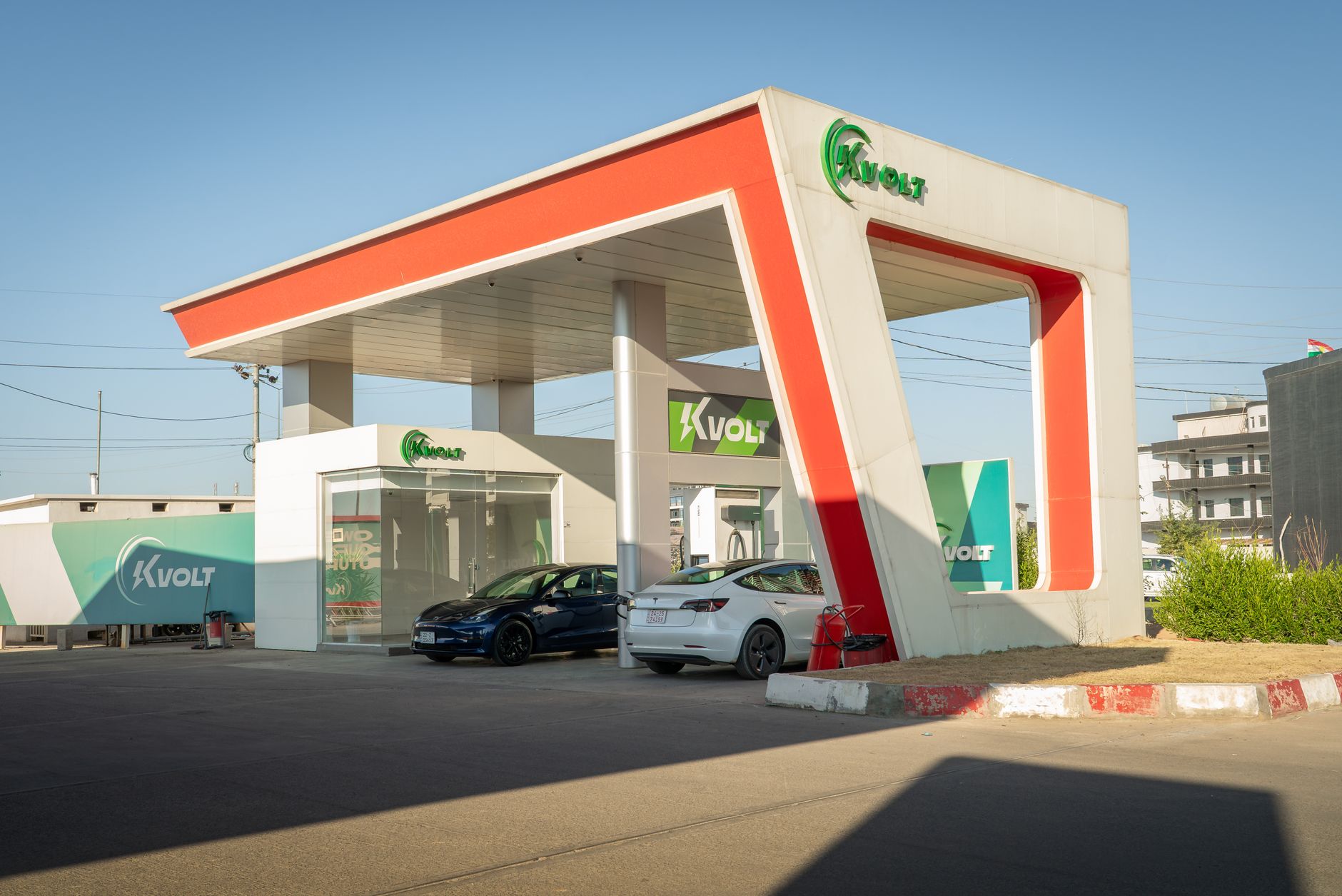
EVs outsell ICE cars in the festive season, marking a significant shift in consumer preferences. With a record 69% year-on-year growth, the electric vehicle market is rapidly expanding in India.
Record Growth in EV Sales
The latest statistics reveal that EVs outsell ICE cars for the first time during the festive season, marking a significant milestone in the automotive industry. This impressive shift in consumer preference highlights the growing acceptance and adoption of electric vehicles across various markets.
According to industry reports, the sales of electric vehicles surged by an astonishing 69% year-over-year. This record growth can be attributed to several factors:
- Government Incentives: Many countries continue to offer subsidies and tax breaks for EV purchases, making them more financially appealing.
- Improved Technology: Advancements in battery technology have led to longer ranges and shorter charging times, enhancing the overall consumer experience.
- Increased Model Availability: Automakers are expanding their electric offerings, providing a wider range of options for consumers.
As more people choose electric over traditional internal combustion engine vehicles, the automotive landscape is transforming, paving the way for a sustainable future.
Impact of Festive Season on Car Sales
The festive season has historically played a significant role in shaping car sales trends, and this year was no exception. The surge in demand for electric vehicles (EVs) during this period underscores a pivotal shift in consumer preferences, as EVs outsell ICE cars for the first time.
Several factors contributed to this remarkable growth:
- Incentives and Discounts: Many manufacturers offered attractive discounts and government incentives, making EVs more accessible to a broader audience.
- Awareness and Education: Increased awareness regarding the benefits of EVs, including lower running costs and reduced environmental impact, played a crucial role in consumer decision-making.
- Improved Charging Infrastructure: The expansion of charging stations made owning an EV more practical, alleviating concerns about range anxiety among potential buyers.
- Innovative Models: The introduction of new and diverse EV models catered to various consumer preferences, from luxury to budget-friendly options.
As a result, the festive season not only marked a significant milestone for EV sales but also demonstrated the growing shift away from traditional internal combustion engine (ICE) vehicles.
Consumer Preferences Shift to EVs
As the automotive landscape evolves, consumer preferences are increasingly shifting towards electric vehicles (EVs). This trend is evident in recent sales data, which shows that EVs outsell ICE cars for the first time during the festive season. The growing awareness of environmental issues and the desire for sustainable transportation options have played a significant role in this shift.
Several factors contribute to the rising popularity of EVs:
- Economic Incentives: Government subsidies and tax incentives encourage consumers to choose electric over traditional vehicles.
- Improved Technology: Advances in battery technology have enhanced the range and performance of EVs, making them more appealing.
- Charging Infrastructure: An expanding network of charging stations has alleviated concerns about range anxiety, further driving consumer interest.
- Environmental Awareness: Growing concerns over climate change and pollution lead many to prefer cleaner alternatives.
With EVs outselling ICE cars, the automotive market is witnessing a remarkable transformation driven by these changing consumer preferences.
Government Policies Supporting EV Adoption
Government policies have played a crucial role in the rise of electric vehicles (EVs) and their ability to outsell internal combustion engine (ICE) cars. Various initiatives aimed at promoting EV adoption have significantly influenced consumer behavior and market dynamics.
- Incentives and Subsidies: Many governments offer financial incentives, such as tax rebates and grants, to encourage consumers to choose EVs over traditional vehicles. These benefits make EVs more affordable and appealing to a broader audience.
- Infrastructure Development: Investment in charging infrastructure has been a priority for governments, ensuring that potential EV buyers have access to convenient charging options. This infrastructure expansion alleviates range anxiety, making EVs a more practical choice.
- Emission Regulations: Stricter emissions standards for ICE cars have prompted manufacturers to pivot towards EV production. This shift aligns with global sustainability goals and enhances the market presence of EVs.
As a result of these supportive policies, it is evident that EVs outsell ICE cars, marking a transformative shift in the automotive industry.
Challenges for ICE-Powered Cars
The automotive industry is witnessing a significant shift as EVs outsell ICE cars, but challenges remain for traditional internal combustion engine (ICE) vehicles. Several factors contribute to the declining appeal of ICE-powered cars.
- Rising Fuel Prices: With the persistent increase in fuel costs, consumers are becoming more cost-conscious, leading to a preference for electric vehicles that offer lower operating expenses.
- Environmental Concerns: Growing awareness of climate change and pollution has prompted many buyers to consider the environmental impact of their vehicle choices, further driving the shift towards EVs.
- Technological Advancements: As battery technology improves, EVs are becoming more accessible, offering longer ranges and faster charging times, making ICE cars less attractive.
- Changing Regulations: Stricter emissions regulations are forcing manufacturers to rethink their strategies, with many investing heavily in electric alternatives to meet new standards.
These challenges indicate that ICE-powered cars may struggle to regain their previous market dominance as consumers increasingly opt for electric options.
Future of Electric Vehicles in India
The future of electric vehicles (EVs) in India looks promising as sales trends indicate a significant shift in consumer behavior. Recent data shows that EVs outsell ICE cars, marking a decisive moment in the automotive industry. This change is driven by a combination of factors that are reshaping the market landscape.
One major influence is the increasing environmental awareness among consumers, leading to a preference for cleaner alternatives. Additionally, advancements in battery technology and charging infrastructure are enhancing the appeal of EVs, making them more practical for everyday use.
Furthermore, with the government’s aggressive push towards sustainability, incentives and subsidies for EV purchases are on the rise. This not only encourages buyers but also stimulates manufacturers to innovate and expand their EV offerings.
As the demand for EVs continues to grow, industry experts predict that the market will experience further expansion. The shift away from internal combustion engine (ICE) vehicles is not merely a trend but a substantial transformation in the automotive landscape, confirming that EVs are here to stay.
Comparative Analysis of EV and ICE Sales
The recent sales data reveals a striking shift in the automotive market as EVs outsell ICE cars for the first time during the festive season. This comparative analysis highlights the growing consumer preference for electric vehicles over traditional internal combustion engine (ICE) cars.
In the last quarter, electric vehicle sales surged by an impressive 69% year-on-year, reflecting a significant trend in the automotive industry. Key factors contributing to this shift include:
- Environmental Concerns: Increased awareness about climate change has led consumers to favor cleaner transportation options.
- Technological Advancements: Enhanced battery life and charging infrastructure have made EVs more practical for everyday use.
- Cost Efficiency: Lower running costs and government incentives make EV ownership more appealing.
- Changing Consumer Preferences: Millennials and Gen Z are leading the charge towards sustainable living, prioritizing eco-friendly choices.
As the automotive landscape evolves, it is evident that the dominance of ICE cars is waning, paving the way for a greener future with electric vehicles.
Market Predictions for 2024
As we look ahead to 2024, market analysts are projecting continued momentum for electric vehicles (EVs), with some forecasting that EVs will outsell internal combustion engine (ICE) cars in numerous regions. The consistent rise in consumer demand, paired with an expanding array of electric models, supports this optimistic outlook.
Key factors influencing these predictions include:
- Technological Advancements: Improvements in battery technology are leading to longer ranges and shorter charging times, making EVs more appealing to a broader audience.
- Infrastructure Development: Increased investment in charging stations is addressing range anxiety, encouraging more consumers to consider making the switch to EVs.
- Cost Competitiveness: As production scales up and supply chains optimize, the price gap between EVs and ICE cars is expected to narrow, making EVs more financially attractive.
- Environmental Awareness: Growing concerns about climate change are prompting consumers to prefer sustainable options, further boosting sales of EVs.
Overall, the outlook for 2024 suggests a robust transition, with EVs poised to outsell ICE cars significantly.
As more consumers become aware of the environmental benefits, EVs outsell ICE cars at an unprecedented rate. This trend indicates a significant shift in the automotive industry as EVs outsell ICE cars across various markets.
Photo by ammar abbas on Pexels
Sources
You might also like
Top stocks to buy: Proven picks for smart investors · Onewater Marine earnings: Was the $0.08 beat worth it? · Mahanadi Coalfields IPO: Is It the Best Investment Opportunity?