

 edward
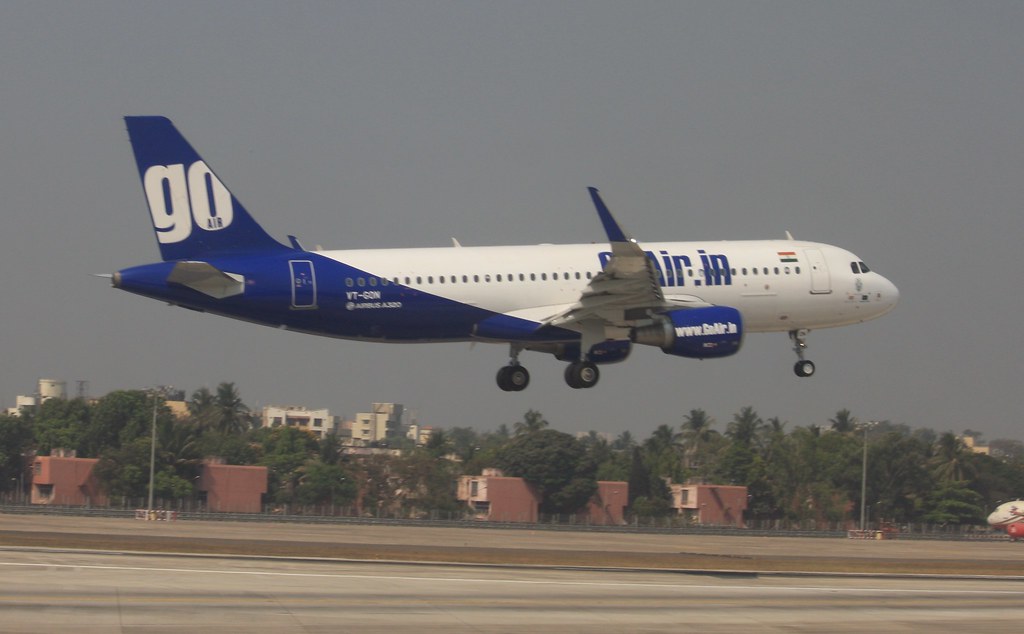
Mumbai Airport international airlines are set to move to Navi Mumbai starting March 2027, a significant change for travelers and airlines alike.
Overview of the Shift
In a significant development for air travel in India, Mumbai Airport has announced the upcoming shift of 12 international airlines to the new Navi Mumbai Airport starting in March 2027. This move is seen as a strategic decision aimed at enhancing airport capacity and improving passenger experience.
The transition to Navi Mumbai is expected to alleviate congestion at the existing Mumbai Airport, which has been operating beyond its intended capacity for years. With the introduction of new facilities and modern infrastructure, travelers can anticipate a more streamlined journey through security and customs.
Key benefits of this shift include:
- Improved Efficiency: The new airport aims to reduce waiting times and enhance overall operational efficiency.
- Increased Capacity: Navi Mumbai Airport is designed to accommodate a larger number of flights and passengers.
- Enhanced Services: International airlines will have access to state-of-the-art amenities to offer a better travel experience.
As the date approaches, stakeholders will be closely monitoring the impact of this transition on the overall air travel landscape in Mumbai.
Impact on Travelers
The recent decision to shift 12 international airlines from Mumbai Airport to Navi Mumbai by March 2027 has raised several concerns among travelers. This move is expected to have a significant impact on the experience of passengers flying from Mumbai.
One of the primary concerns revolves around accessibility. Many travelers worry that the distance to Navi Mumbai may deter them from choosing international flights. The potential for increased travel time, coupled with traffic congestion in the region, could lead to longer journeys to the airport.
Additionally, travelers are anxious about the availability of services and amenities at the new Navi Mumbai facility. The transition could initially result in limited options for dining, shopping, and lounge access compared to the existing offerings at Mumbai Airport.
On the other hand, some experts argue that this shift could lead to reduced congestion at Mumbai Airport, potentially improving overall efficiency for travelers who remain at the original location. The long-term benefits of this change remain to be seen, especially as airlines adapt to the new environment.
Ultimately, the impact on travelers will depend on how well the transition is managed and the readiness of Navi Mumbai to accommodate international airlines effectively.
Reasons for the Move
The decision to shift 12 international airlines from Mumbai Airport to Navi Mumbai is driven by several compelling reasons that aim to enhance the overall travel experience.
- Capacity Management: One of the primary reasons is to alleviate congestion at the existing Mumbai Airport. The growing passenger traffic necessitates the need for more space and improved facilities.
- Modern Infrastructure: Navi Mumbai is being developed with state-of-the-art amenities that promise to offer passengers a more efficient and comfortable environment. This new airport is expected to feature advanced technology and streamlined processes.
- Enhanced Connectivity: The shift is anticipated to improve flight connectivity for international airlines, making it easier for travelers to reach their destinations with shorter layover times.
- Economic Growth: By moving international airlines to Navi Mumbai, the region is expected to see significant economic benefits, including job creation and increased tourism opportunities.
- Environmental Considerations: The new location is designed to adhere to modern sustainability standards, reducing the carbon footprint associated with air travel.
These factors collectively contribute to the strategic decision regarding Mumbai Airport international airlines, aiming for a more efficient and traveler-friendly experience.
Timeline for Transition
The transition of international airlines at Mumbai Airport is set to unfold over a carefully planned timeline. Starting in March 2027, a total of 12 international airlines will begin their operations from the new Navi Mumbai International Airport. This strategic shift is aimed at alleviating congestion at the existing terminal and improving overall passenger experience.
The process will be gradual, with airlines making the transition in phases to ensure a smooth operation. Key milestones in the timeline include:
- Q1 2027: Initial preparations and infrastructure development at Navi Mumbai Airport.
- Q2 2027: First set of airlines, including major international carriers, will commence operations.
- Q3 2027: Expansion of services as additional airlines transition to the new airport.
- Q4 2027: Full operational capacity expected, with all 12 international airlines functioning from Navi Mumbai.
This timeline is designed to ensure that the shift of airlines occurs seamlessly, allowing travelers to adapt to the new arrangements while enhancing Mumbai’s status as a key hub for international travel.
Airlines Affected
The recent decision to shift 12 international airlines from Mumbai Airport to Navi Mumbai has raised concerns among travelers and industry experts alike. The airlines affected by this transition include:
- Air India
- Emirates
- Qatar Airways
- Singapore Airlines
- Turkish Airlines
- Etihad Airways
- Lufthansa
- British Airways
- Thai Airways
- Air France
- Cathay Pacific
- Oman Air
This move, set to take effect in March 2027, is aimed at improving operational efficiency and reducing congestion at the existing airport. However, many are questioning whether this is a smart move for Mumbai Airport, especially considering the potential impact on international travelers. With the shift of airlines, passengers will need to adjust their travel plans and consider the logistical challenges associated with navigating between different airport locations.
Government’s Role
The role of the government in the transition of international airlines from Mumbai Airport to Navi Mumbai is pivotal. Various stakeholders are closely observing how regulatory frameworks will adapt to this significant shift. The government’s support is crucial in facilitating a smooth transition for both airlines and passengers.
Officials have emphasized the importance of enhancing infrastructure at Navi Mumbai Airport to accommodate the influx of international flights. Investment in facilities such as terminals, runways, and passenger services is expected to be a priority. Additionally, the government is tasked with ensuring that security protocols and operational standards meet international guidelines to maintain safety and efficiency.
Furthermore, the government’s engagement with international airlines will be essential in fostering confidence. By providing incentives or support, they can encourage airlines to make the shift seamlessly. The aim is to position Navi Mumbai as a viable alternative for international travel, strengthening its competitiveness in the region.
As this transition unfolds, the government’s involvement will significantly influence the success of the move and its long-term impact on Mumbai Airport and the international airlines operating within its domain.
Industry Reactions
Industry reactions to the shift of 12 international airlines from Mumbai Airport to Navi Mumbai have been mixed, reflecting a range of opinions on the decision’s potential impact. Some industry experts believe that this move will significantly enhance operational efficiency and reduce congestion at the existing airport, ultimately benefiting travelers.
Positive Reactions:
- Many aviation analysts argue that spreading international flights across multiple airports can lead to better management of air traffic.
- Supporters highlight that Navi Mumbai Airport is designed to accommodate modern aircraft and advanced technologies.
Concerns Raised:
- Critics warn that the transition could create temporary confusion and inconvenience for travelers, as they adjust to the new airport.
- There are worries about the potential impact on passenger volumes at the existing Mumbai Airport, which is already facing capacity constraints.
As the shift approaches, stakeholders are closely monitoring how international airlines will adapt to the changes and what long-term effects it may have on the aviation landscape in Mumbai.
Future of Mumbai Air Travel
The future of Mumbai air travel is set to undergo significant transformation with the relocation of major international airlines to Navi Mumbai Airport. This strategic move, scheduled for March 2027, aims to ease congestion at the existing airport and enhance the overall travel experience.
As the shift approaches, travelers can anticipate several changes:
- Improved Infrastructure: The new Navi Mumbai Airport is designed to handle increased passenger volumes, featuring state-of-the-art facilities.
- Increased Efficiency: With a dedicated terminal for international airlines, check-in and security processes are expected to be streamlined.
- Enhanced Connectivity: The airport will provide better access to various regions, making it easier for international travelers to reach their destinations.
However, the transition may also present challenges. Travelers will need to adapt to new logistics concerning transportation to the new airport, which may involve longer travel times for some. Overall, the shift of international airlines to Navi Mumbai represents a pivotal moment in Mumbai’s air travel landscape, promising to reshape the way passengers experience international journeys from the city.
The recent shift in operations for Mumbai Airport international airlines has sparked debate among industry experts. Many believe that this decision could enhance connectivity and efficiency for travelers using Mumbai Airport international airlines.
By ATom.UK via Openverse
