edward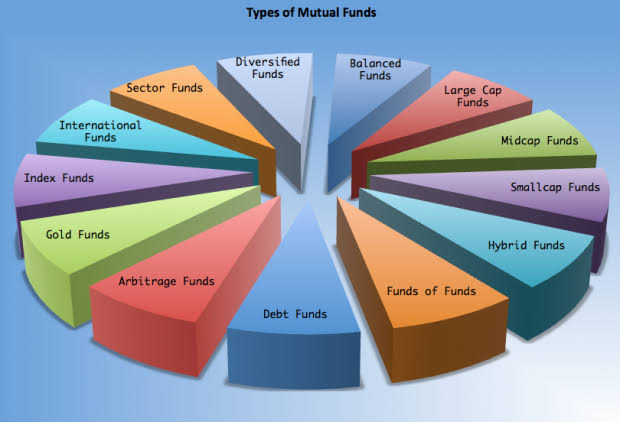
Mutual fund investing in India has become a common way for people to participate in financial markets without directly selecting every stock or bond themselves. A mutual fund pools money from many investors and invests it based on a defined scheme objective. This may include equity, debt, hybrid, gold, index-based, or sector-focused strategies.
For many investors, mutual funds can support long-term wealth creation, retirement planning, education goals, tax planning, and regular investment discipline. However, mutual funds are not risk-free. Investors should understand fund categories, risk levels, expense ratios, exit loads, taxation, performance consistency, and goal suitability before investing.
What Is A Mutual Fund In India
A mutual fund is an investment product managed by an asset management company. The fund collects money from investors and invests it in securities such as stocks, bonds, money market instruments, or other assets, depending on the scheme type.
Each investor receives units based on the amount invested and the scheme’s net asset value. As the value of the underlying portfolio changes, the NAV also moves. Investor returns depend on fund performance, market movement, expenses, and holding period.
Mutual funds in India are regulated, but regulation does not remove market risk. Investors should read scheme documents and understand the product before investing.
Why Investors Choose Mutual Funds
Investors choose mutual funds because they provide access to professionally managed portfolios. Instead of selecting individual securities, investors can choose a fund category that matches their goals and risk profile.
Mutual funds may help investors with:
- Long-term wealth creation
- Regular SIP investing
- Portfolio diversification
- Tax-saving options
- Debt allocation
- Hybrid exposure
- Passive index investing
- Goal-based planning
- Professional fund management
- Small-ticket investing
These benefits are useful only when the fund is selected carefully.
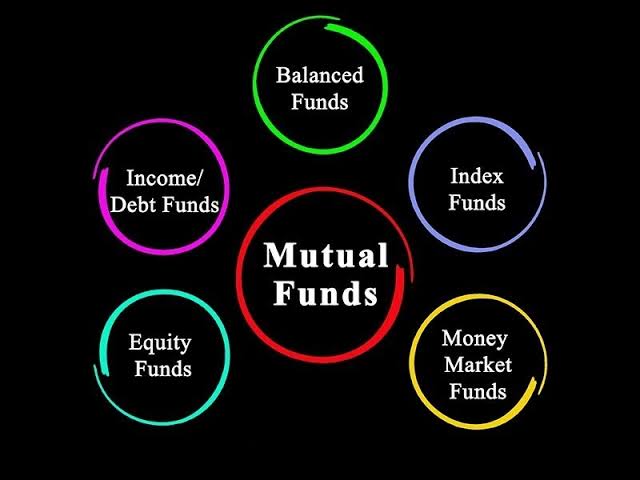
Types Of Mutual Funds In India
Mutual funds are available in several categories. Each category has a different purpose.
Equity Mutual Funds
Equity funds invest mainly in stocks. They can offer long-term growth potential but also carry higher volatility.
Debt Mutual Funds
Debt funds invest in fixed-income instruments. They may suit lower-risk or shorter-duration goals, depending on the fund type.
Hybrid Mutual Funds
Hybrid funds invest in a mix of equity and debt. They may suit investors who want balanced exposure.
Index Funds
Index funds track a market index and follow a passive investment approach.
ELSS Funds
ELSS funds are tax-saving mutual funds with equity exposure and a lock-in period.
Sector And Thematic Funds
These funds invest in specific sectors or themes and may carry higher concentration risk.
SIP And Lump Sum Investing
Investors can invest in mutual funds through SIP or lump sum.
A SIP allows regular investment of a fixed amount at selected intervals. It can help build discipline and reduce the stress of timing the market. SIPs are commonly used for long-term goals such as retirement, education, or wealth creation.
A lump sum investment means investing a larger amount at one time. It may suit investors who already have surplus funds and understand market risk. In equity funds, lump sum investing can be more volatile if the market falls soon after investment.
How To Select A Mutual Fund
Selecting a mutual fund should begin with the investor’s goal. A fund should not be chosen only because it has delivered high recent returns.
Investors should check:
- Investment objective
- Fund category
- Risk level
- Expense ratio
- Exit load
- Performance consistency
- Portfolio allocation
- Fund manager approach
- Benchmark comparison
- Time horizon suitability
A suitable fund is one that matches the investor’s goal, risk appetite, and investment duration.
Understanding Risk In Mutual Funds
Mutual funds carry different levels of risk. Equity funds may rise or fall sharply based on market movement. Debt funds may face interest rate risk or credit risk. Sector funds may be more volatile because they focus on a narrow area.
In the middle of fund selection, investors searching for mutual fund india options should compare categories carefully instead of choosing a scheme only by past returns. A large-cap equity fund, liquid fund, hybrid fund, and sector fund cannot be judged using the same expectations.
Risk should be understood before investing, not after the fund value falls.
Benefits Of Mutual Fund Investing
Mutual funds can offer several benefits for disciplined investors.
Professional Management
Fund managers make investment decisions based on the scheme objective.
Diversification
A single mutual fund can invest across many securities, reducing dependence on one stock or bond.
Flexible Investment Amount
Investors can start with small amounts through SIPs.
Goal-Based Planning
Funds can be selected for different goals and time horizons.
Liquidity
Many open-ended mutual funds allow redemption, subject to exit load and market conditions.
Choice Of Categories
Investors can choose equity, debt, hybrid, passive, or tax-saving funds.
Common Mistakes To Avoid
Many investors make mistakes while choosing or managing mutual funds.
Chasing Recent Returns
A fund that performed well recently may not continue performing the same way.
Ignoring Risk Profile
Investors should not choose high-risk funds if they cannot handle volatility.
Investing Without Goals
Random investing makes portfolio review difficult.
Stopping SIPs During Market Falls
Market corrections are normal. Stopping SIPs during falls may affect long-term discipline.
Holding Too Many Funds
Too many funds can create overlap and make tracking difficult.
Ignoring Costs And Tax
Expense ratio, exit load, and tax impact can affect net returns.
Portfolio Review For Mutual Fund Investors
A mutual fund portfolio should be reviewed periodically. Investors do not need to check NAV daily, but they should review whether funds still match goals and risk appetite.
A useful review may include:
- Fund performance against benchmark
- Category comparison
- Asset allocation
- Fund overlap
- Expense ratio
- Goal progress
- SIP adequacy
- Risk changes
- Exit load status
- Tax impact before redemption
Reviewing once or twice a year may be enough for many long-term investors.
Mutual Funds Vs Direct Stock Investing
Some investors prefer mutual funds, while others want to buy stocks directly. Both approaches are different. Mutual funds provide managed and diversified exposure, while direct stock investing requires company research, valuation checks, and active monitoring.
Direct stocks may offer higher control, but they also require more knowledge and time. Mutual funds may be suitable for investors who want professional management and diversification. The right choice depends on experience, goals, risk appetite, and available time for research.
Conclusion
Mutual fund investing in India can help investors build a structured portfolio for long-term goals. It offers diversification, professional management, flexible investment options, and access to different asset classes.
However, investors should choose funds carefully. Fund category, risk level, time horizon, expense ratio, performance consistency, and goal suitability should be reviewed before investing. A disciplined approach with regular SIPs, periodic review, and realistic expectations can make mutual funds a useful part of financial planning.
FAQs
What Is A Mutual Fund
A mutual fund pools money from investors and invests it in securities based on a defined scheme objective.
Are Mutual Funds Safe
Mutual funds are regulated, but they are market-linked and carry different levels of risk depending on the category.
Can Beginners Invest In Mutual Funds
Yes, beginners can invest after understanding fund types, risk levels, goals, and investment duration.
What Is SIP In Mutual Funds
SIP is a systematic investment plan where investors invest a fixed amount regularly in a mutual fund scheme.
How Should I Choose A Mutual Fund
Choose based on goal, time horizon, risk appetite, fund category, expense ratio, performance consistency, and portfolio fit.
Should I Check Mutual Fund Returns Daily
No, long-term investors should avoid daily checking and review their portfolio at sensible intervals.